Feed-in tariffs across Adelaide and South Australia have fallen, but your electricity bills don't have to stay high.
If you've had solar installed for several years, you've probably noticed one major change, feed-in tariffs aren't what they used to be.
Many Adelaide homeowners are still exporting plenty of solar power back to the grid, yet they're shocked when their quarterly electricity bill arrives.
So what's happening? The answer lies in how Australia's energy market has changed.
In 2026, the biggest savings no longer come from exporting your excess solar energy. Instead, they come from using more of the electricity your solar system generates and reducing how much power you need to buy back from the grid.
If you're still receiving feed-in tariff credits but your power bills continue to rise, this guide explains why, and what you can do about it.
What Are Feed-in Tariffs?
A feed-in tariff (FiT) is the amount your electricity retailer pays you for excess solar energy that your home exports back into the electricity grid.
When rooftop solar first became popular, feed-in tariffs were much higher, making exporting energy an attractive way to reduce electricity costs.
Today, the situation is very different.
Australia now has one of the highest rates of rooftop solar adoption in the world, meaning far more homes are exporting electricity during the middle of the day. As solar generation has increased, the value of exported electricity has generally decreased.
The Australian Energy Market Commission (AEMC) provides information about how Australia's changing electricity market affects rooftop solar exports and feed-in tariffs.
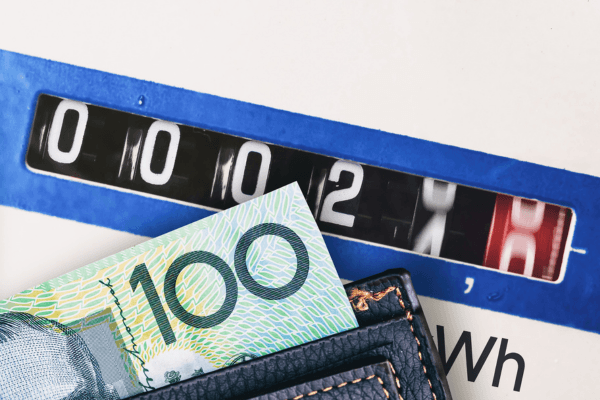
Why Are Adelaide Homeowners Still Paying High Electricity Bills?
Many Adelaide homeowners assume that if they're still receiving a reasonable feed-in tariff from their electricity retailer, their power bills should automatically stay low.
Unfortunately, that's no longer the case.
Your electricity bill isn't determined by your feed-in tariff alone. It's influenced by how much electricity your solar system generates, when your household uses electricity, and how much power you still need to buy from the grid.
One common reason is that older solar systems may not be performing as efficiently as they once did. Over time, natural panel degradation, dirt, shading, or an ageing inverter can reduce your system's output, meaning you're generating less energy than before.
Another reason is that household energy use has changed. Many Adelaide homes now have electric vehicles, larger air conditioners or more appliances than when their solar system was first installed. If your electricity usage has increased but your solar system hasn't, you'll rely more on expensive grid power.
Timing also matters. Solar panels generate electricity during the day, but most households use the most energy in the evening. Without a battery, any excess solar generated during the day is exported to the grid for a relatively small feed-in tariff. Later, when the sun goes down, you're buying electricity back from the grid at a much higher rate.
The Bottom Line
In 2026, reducing your electricity bills isn't about chasing the highest feed-in tariff, it's about using more of the energy your solar system generates.
For many Adelaide households, that means adding a battery. Instead of exporting excess solar for a small credit and buying electricity back later, a battery stores your unused solar energy so you can use it when your home needs it most.
At Steadfast Solar, we don't believe in one-size-fits-all solutions. We design custom solar and battery systems based on your home's energy usage, helping you reduce your power bills, maximise your savings and get the most out of your investment.
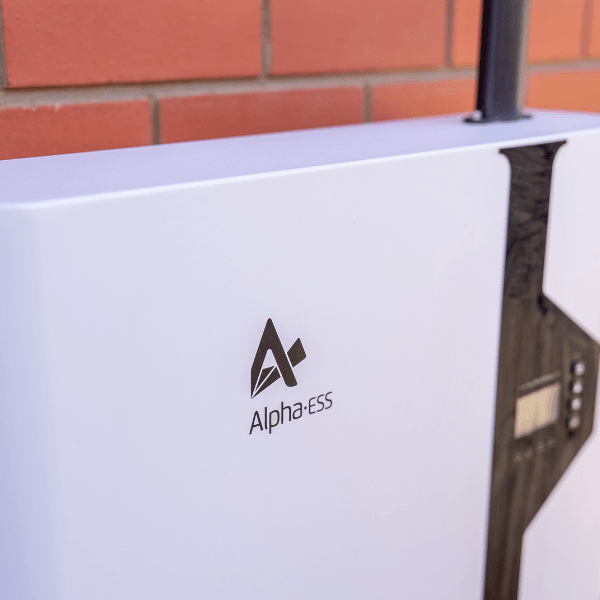
The Right Solar & Battery System Starts with the Right Advice
When it comes to reducing your electricity bills, the best solution isn't the cheapest system or the most expensive one - it's the right system for your home.
At Steadfast Solar, we take the time to understand your home before making any recommendations.
Our experienced energy consultants will review your electricity bills, assess your energy usage, and explain exactly why we've recommended a particular solar and battery system, including the battery size, inverter and components that best suit your needs. No pushy sales tactics, just honest advice backed by experience.
Make the Switch with the Anytime Solar & Battery Plan
For eligible households, our Anytime Solar & Battery Plan, makes upgrading to solar and battery storage easier than ever, with $0 upfront and $0 interest.
Unlike a lease or power purchase agreement, every payment goes towards a system that you own outright. Many of our customers own their system within 2 to 5 years, with some paying it off even sooner. Once it's yours, the ongoing energy savings stay with you.
Even better, you're in complete control. There are no lock-in contracts, no early payout penalties, and you can make extra repayments whenever you choose.
Ready to See How Much You Could Save?
If you're still paying high electricity bills despite having solar, or you're wondering whether a battery is the right next step, we're here to help.
Learn more about our Anytime Solar & Battery Plan, get started today, or, prefer to talk to someone?
Give our team a call today: 08 8257 9199
Or email us: info@steadfastsolar.com.au